- Your cart is empty
- Continue Shopping


Product

Klow 80mg Peptide (TB-500 10mg + BPC-157 10mg + GHK 50mg + KPV 10mg)
-9%

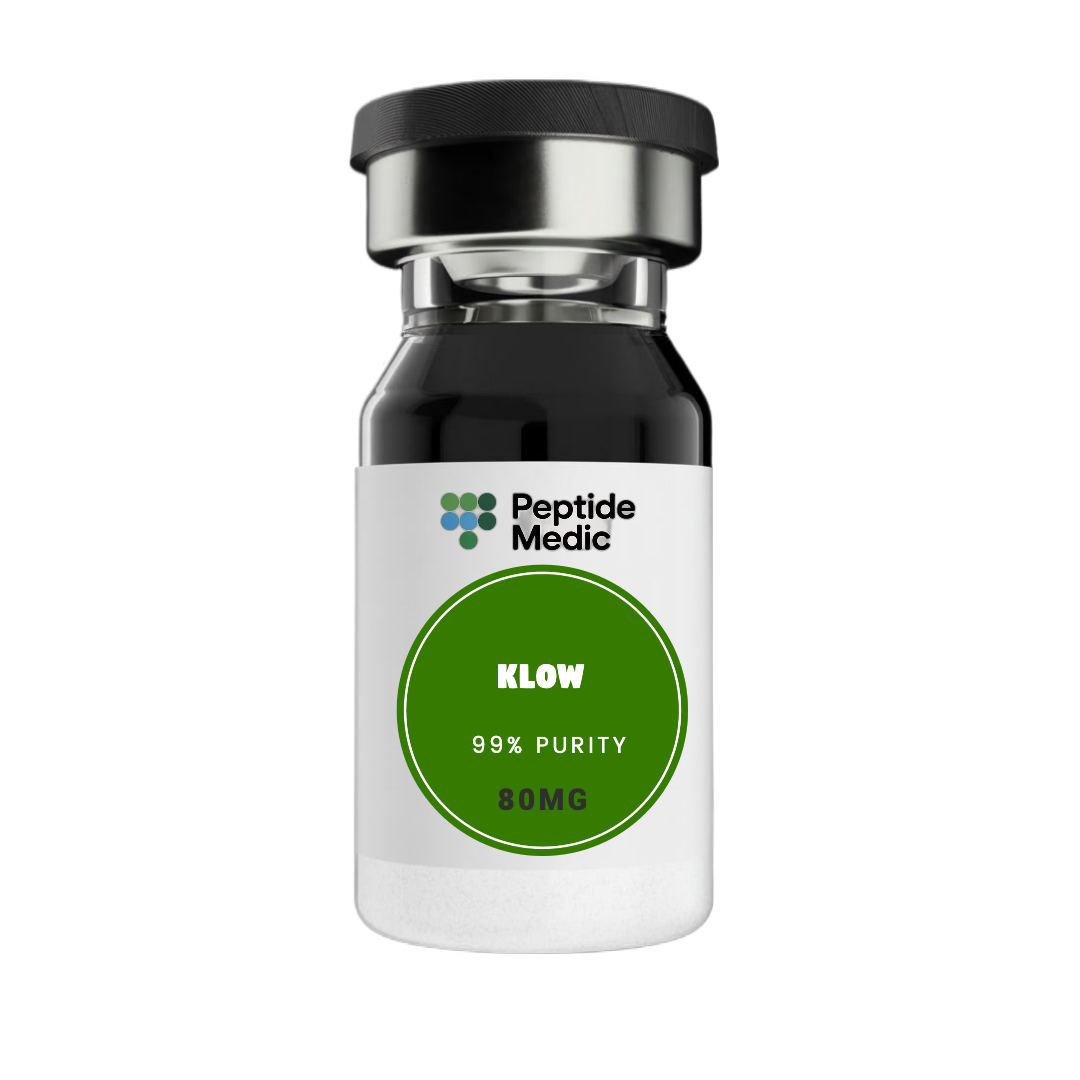
Klow 80mg Peptide (TB-500 10mg + BPC-157 10mg + GHK 50mg + KPV 10mg)
£245.00Current price is: £245.00. Original price was: £270.00.
Klow Peptide Blend (TB-500 10mg + BPC-157 10mg + GHK 50mg + KPV 10mg)
Klow by PEPTIDE MEDICS is a multi-peptide research blend combining TB-500 (10mg), BPC-157 (10mg), GHK (50mg), and KPV (10mg) into a single laboratory vial. This advanced formulation is studied in experimental models focused on cellular repair signaling, inflammatory pathway research, and tissue regeneration mechanisms.
Each vial contains 80mg total peptide content in high-purity lyophilized form, allowing researchers to explore peptide interactions and combined signaling effects under controlled laboratory conditions.
All peptides supplied by PEPTIDE MEDICS are intended strictly for laboratory research purposes only.
Add to cart
Buy Now
Buy Klow 80mg Peptide Blend
Klow Multi-Peptide Research Blend
Klow is a research-focused peptide combination designed for laboratory environments investigating complex biological processes such as cellular recovery, peptide signaling interactions, and inflammatory response pathways.
This formulation builds upon traditional peptide blends by incorporating four research peptides, each studied for distinct biological signaling roles:
-
TB-500 (Thymosin Beta-4 analogue)
-
BPC-157 (Body Protection Compound)
-
GHK peptide
-
KPV peptide
By combining these compounds, researchers can examine how multiple peptide pathways may interact within experimental models related to regeneration and cellular response systems.
About the Individual Peptides
BPC-157 (10mg)
BPC-157 is a synthetic peptide derived from protein sequences associated with gastric systems. In research environments, it has been studied in models involving:
-
Tissue repair signaling
-
Musculoskeletal research pathways
-
Gastrointestinal peptide activity
-
Cellular regeneration mechanisms
TB-500 (10mg)
TB-500 is a synthetic analogue of Thymosin Beta-4, a peptide involved in cellular migration and tissue development.
Research involving TB-500 may explore:
-
Cellular differentiation and migration
-
Tissue regeneration models
-
Angiogenesis-related pathways
-
Repair signaling mechanisms
GHK Peptide (50mg)
GHK is a naturally occurring peptide studied for its role in biological signaling and cellular processes.
Research models involving GHK often examine:
-
Cellular repair signaling pathways
-
Collagen and connective tissue studies
-
Skin-related peptide research
-
Gene expression associated with regeneration
KPV Peptide (10mg)
KPV (Lysine–Proline–Valine) is a short peptide fragment derived from alpha-MSH (melanocyte-stimulating hormone) and is studied in research models focusing on inflammatory signaling pathways.
Laboratory studies involving KPV may include:
-
Inflammatory response pathway research
-
Immune signaling mechanisms
-
Gastrointestinal research models
-
Cellular response to peptide signaling
Research Areas Associated With Klow Blend
Within laboratory environments, Klow peptide blend may be studied in experimental models related to:
-
Cellular repair and regeneration pathways
-
Inflammatory signaling research
-
Tissue recovery models
-
Peptide interaction and synergy studies
-
Connective tissue and biological response mechanisms
Multi-peptide formulations like Klow allow researchers to investigate how different peptide pathways may interact within complex biological systems.
Product Specifications
| Feature | Details |
|---|---|
| Product Name | Klow Peptide Blend |
| Total Peptide Content | 80mg per vial |
| Composition | TB-500 10mg / BPC-157 10mg / GHK 50mg / KPV 10mg |
| Form | Lyophilized (freeze-dried) powder |
| Grade | Research / Laboratory Grade |
| Manufacturer | PEPTIDE MEDICS |
| Packaging | Sterile sealed research vial |
| Application | Scientific research only |
Storage Guidelines
Maintaining proper storage conditions is essential for peptide stability.
Recommended practices include:
-
Store in a cool, dry environment
-
Refrigeration recommended for extended storage
-
Protect from heat and direct light exposure
-
Use sterile laboratory handling procedures
Proper storage helps preserve peptide structure and research reliability.
Research Use Disclaimer
All products provided by PEPTIDE MEDICS are intended strictly for laboratory research purposes only.
These compounds are not intended for human consumption, medical use, or veterinary applications.
By purchasing, customers confirm they are qualified professionals conducting legitimate scientific research.
Research References
Researchers interested in further exploration of BPC-157, TB-500, GHK, and KPV peptides may consult scientific literature available through:
-
PubMed
-
Peptide and molecular biology journals
-
Cellular research publications
-
Studies on alpha-MSH peptides, Thymosin Beta-4, and regenerative signaling pathways
These sources provide valuable context for understanding multi-peptide interaction and biological signaling mechanisms.
Related products
-20%
Sale
Cagrilindi peptide
Price range: £122.00 through £237.00
Select options
This product has multiple variants. The options may be chosen on the product page
Sale
Kisspeptin-10 (5mg / 10mg)
Price range: £63.00 through £122.00
Select options
This product has multiple variants. The options may be chosen on the product page
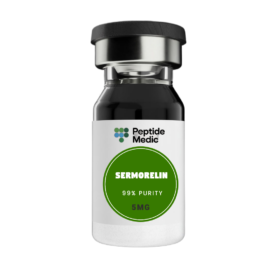
Sermorelin Peptide (5mg / 10mg)
Price range: £73.00 through £148.00
Select options
This product has multiple variants. The options may be chosen on the product page
Sale
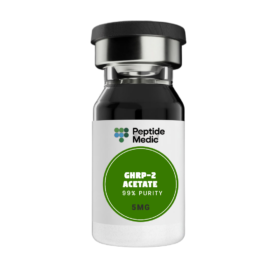
GHRP-2 Acetate (5mg / 10mg)
Price range: £31.00 through £60.00
Select options
This product has multiple variants. The options may be chosen on the product page
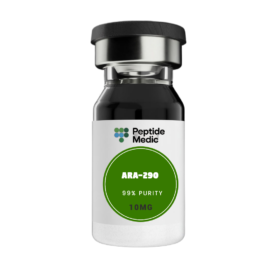
Sale
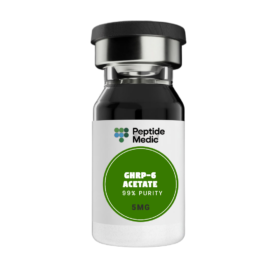
GHRP-6 Acetate (5mg / 10mg)
Price range: £31.00 through £60.00
Select options
This product has multiple variants. The options may be chosen on the product page
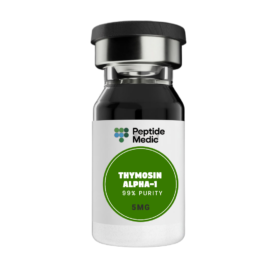
Thymosin Alpha-1 Peptide (5mg / 10mg)
Price range: £100.00 through £167.00
Select options
This product has multiple variants. The options may be chosen on the product page
Reviews
There are no reviews yet.